


T-Mobile® FamilyMode™
4.41.83K Reviews
App Specs
- Version
- 4.2.2
- Updated On
- License
- Free
- Downloads
- 500,000+
- Developer
- T-Mobile USA
- Categories
- Parenting
- Platform
- Android, iOS
Screenshots


 Analysis by AppCompare
When a household has several phones and different ideas about what “enough screen time” means, a parent can end up repeating the same reminders all day. I looked at T-Mobile® FamilyMode™ as a way to make those rules easier to manage and found an app built around practical family oversight: screen habits, internet access, location, and data use. Its strongest appeal is not that it removes every argument about devices, but that it gives a family a shared place to set expectations.
How it fits into everyday family routines
FamilyMode is a free parenting app from T-Mobile USA. It has a 4.2 average from around 6,900 ratings, and more than 500,000 installs. Those figures suggest that it has reached many households, though popularity alone cannot tell you whether its controls will suit your family. The app is rated for Everyone, and version 4.0.3 is listed for devices running Android 9 or later.
Getting started and setting expectations
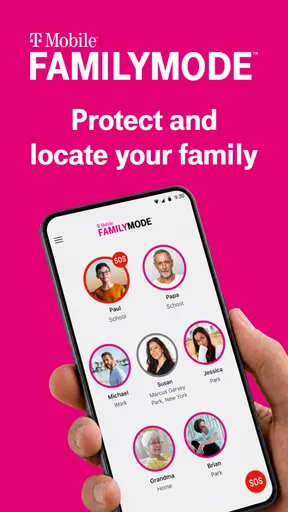
First things first, getting started with T-Mobile® FamilyMode™ was surprisingly simple. I downloaded the app, and within minutes, I was setting up profiles for each family member. The interface is user-friendly, and I didn’t need to be a tech wizard to figure it out. Just a few taps, and we were good to go.
The useful part of setup is not merely creating profiles; it is deciding together what those profiles are meant to accomplish. Before changing limits, I’d talk with each child about the household rule and what happens when time is up. That small conversation helps prevent the app from becoming a surprise punishment button. For a family new to parental controls, I’d begin with one manageable boundary, see how it affects the routine, and adjust rather than imposing a long list of restrictions at once.
Speed expectations: quick changes, not a cure-all
The app’s setup feels straightforward, and that matters because a parental-control tool is most useful when a parent can understand its controls without turning setup into a weekend project. I would still treat it as a management layer rather than expect every change to feel instantaneous on every device or network. A rule can guide access, but it cannot make a child’s attention shift smoothly from a game to homework; the transition still takes a little planning and conversation.
For a smoother handoff, I’d use a predictable routine: give a reminder before a limit is reached, agree on what needs saving, and then apply the household boundary. This is especially helpful when a child is doing something that cannot be stopped mid-task, such as finishing a school assignment or sending a message to a group project. The app can support the rule, but a clear warning from a parent is often what makes the rule feel fair.
Customizable controls for different ages
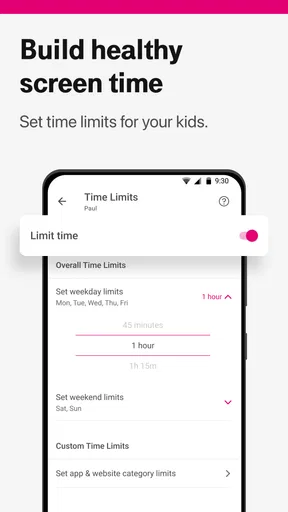
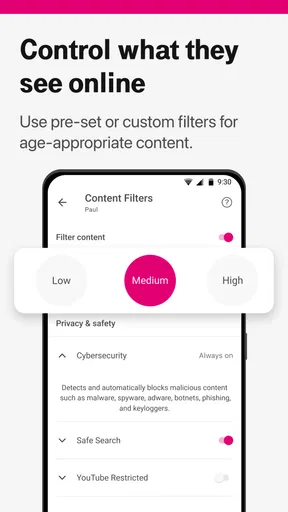
One of the standout features for me was the customizability of controls. I could set daily time limits for each app or category (hello, social media detox!) and even pause the internet when it was time for dinner. It’s like having a remote control for the whole family’s devices. Plus, you can filter content based on age-appropriateness, which is a lifesaver for parents with younger kids.
Worth Reading Before You Choose

EA SPORTS FC Mobile 26 Is a Bigger Football Game, but It Takes Time

Flipboard Shows What News Apps Must Do Beyond the Feed

Switching to Android Auto Means Rethinking Your Driving Routine

Google Calendar Makes a Crowded Week Easier to Manage

Ludo King Makes the Most of the Minutes Between Plans

Baby Panda World Brings Quick Play to Modern Phones, but Its Game Library Feels Busy
Different children rarely need identical rules. A younger child may benefit most from age-appropriate filtering and a clear stopping point, while an older teen may need more room to manage schoolwork, messaging, and downtime independently. I’d use separate profiles and discuss exceptions up front—for example, whether an online assignment counts as leisure time. That distinction can keep a sensible limit from blocking a legitimate task or making every request for extra time feel like a negotiation.
Heavy-use moments: dinner, homework, and shared Wi-Fi
The pause option is particularly easy to understand as a household tool: when dinner starts, a parent can make the boundary visible instead of asking several people to put devices away one by one. It can also help during a planned family activity or bedtime routine. The trade-off is that a broad pause may interrupt something useful as well as distracting, so I’d reserve it for moments when the whole household has agreed that being offline is the point.
A realistic afternoon might look like this: a child gets home, uses a device for a while, then needs to switch to homework before dinner. I’d check the app’s limits and data insights as part of the routine, but I would not rely on a restriction alone to tell whether homework is finished. The parent still has to decide when flexibility is appropriate, and the child still needs to learn to manage time without expecting a control to settle every disagreement.
Location tracking and family trust
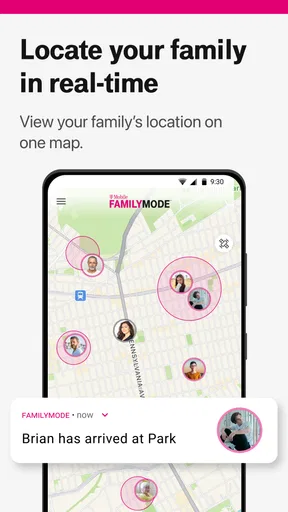
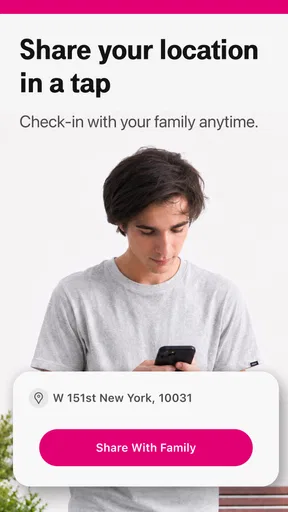
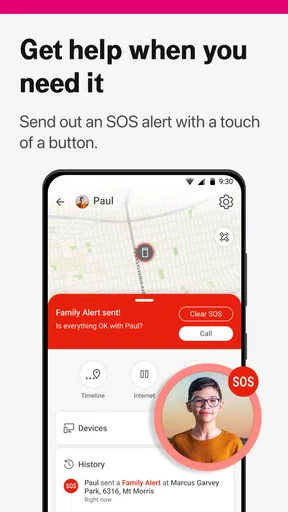
Another cool perk is the real-time location tracking. Whether your teen is at the mall or your partner is stuck in traffic, you can check their whereabouts without having to send a million texts. It’s a nice way to keep tabs without feeling like you’re constantly checking up on them.
I see location as most useful for practical coordination, such as checking whether a family member has arrived before arranging a pickup. It works best when everyone knows it is part of the family’s safety routine, rather than a hidden way to monitor ordinary movements. For a teenager who values privacy, agreeing on when a parent will check—and when a quick message is the better choice—can preserve trust while keeping the feature available when it is genuinely helpful.
Rewards, motivation, and the limits of gamifying rules
Here’s something that really caught my eye: the award system. You can set up rewards for your kids when they stick to their screen time limits or complete chores. It’s a win-win because who doesn’t love a little extra motivation? Plus, it turns managing screen time into a game, making it less of a chore for everyone involved.
I’d keep rewards modest and concrete, and make sure the child understands what earns one before the week begins. The system can help make a routine visible, but it should not turn every ordinary responsibility into a transaction. If a child follows a screen limit only to collect a prize, the underlying habit may not stick; I’d use rewards as a short-term nudge while also praising the effort and discussing why the boundary exists.
Data insights and the trade-off between detail and simplicity
If you’re worried about data usage, the app also provides insights into how much data each device is gobbling up. This feature is super handy for avoiding those unexpected data charges at the end of the month. You can see which apps are the biggest data hogs and adjust usage accordingly.
Those insights can be more useful than a vague sense that “the internet is slow” or that one device is using too much. I’d look for patterns before changing a rule: a spike could reflect a particular app or a normal activity such as streaming, and the answer may be a conversation about when to use it rather than a blanket restriction. Data information is best treated as a clue for family planning, not as a scorecard for judging a child’s behavior.
Reliability and what to do when a rule causes friction
Any family-control app becomes part of a routine, so dependability matters more than a long feature list. I’d make a habit of checking that the intended settings are still in place before relying on them for an important moment, especially after changing a child’s schedule or adjusting household rules. If a limit seems to create an unexpected problem, I’d first review the profile and the rule that applies rather than assume the child is deliberately bypassing it.
It is also sensible to keep a parent’s judgment in the loop. A school task, a family emergency, or a change in plans may call for an exception. The practical value of a control system is not that it eliminates exceptions, but that it makes the normal rule clear and gives parents a way to respond thoughtfully when real life does not fit the schedule.
Device constraints and choosing the right kind of tool
Because the Android version requires Android 9 or later, I’d check the operating system on each device that needs the app before building a family routine around it. A household with a mix of newer and older phones should confirm compatibility first; otherwise, one child’s device may not fit the same setup. The app is free, but families should still consider whether its approach and their existing devices work together before asking everyone to change habits.
Compared with relying only on built-in phone settings, a dedicated family app can feel more convenient when parents want to consider several people and household routines together. Built-in controls may be a better fit for someone who wants only a simple limit on one device or prefers to keep management within each phone’s own settings. FamilyMode’s combination of screen controls, location, rewards, and data insights will appeal more to parents who want those concerns in one parenting-focused tool; it may feel excessive to a family that only needs a bedtime reminder.
Who will appreciate it—and who may prefer another approach
I think this app is best suited to parents who want practical structure across family members and are willing to explain the rules behind it. It can be especially helpful when repeated reminders about app time, internet access, or arriving home are creating tension. The mix of controls and information gives a parent several ways to guide a routine, rather than relying on a single timer.
I would skip it if your family is looking for a completely hands-off solution, or if the main goal is to monitor a child without discussing expectations. It may also be the wrong choice for a household that wants only a basic device-level limit, has devices outside the Android requirement, or would find location checks intrusive. In those situations, built-in controls, a direct conversation, or a simpler family agreement may be more comfortable and easier to maintain.
Final thoughts on FamilyMode
All in all, I’d say T-Mobile® FamilyMode™ is a solid choice for anyone looking to keep their family’s digital habits in check. It’s packed with features that make life easier for parents and more structured for kids. While it’s not a one-size-fits-all solution, it’s definitely a powerful tool in the parenting toolkit. If screen time management is a challenge in your household, this app might just be your new best friend.
My practical recommendation is to start with one goal—such as making dinner device-free or setting a predictable daily limit—then use the other tools only if they solve a real problem for your family. That keeps the app from becoming another source of rules to manage. Used with clear expectations and room for sensible exceptions, it can help parents organize digital boundaries; used as a substitute for trust and communication, even a capable control app will disappoint.
Pros
- Comprehensive parental controls.
- Real-time location tracking.
- Screen time management tools.
- Customizable usage limits.
- Easy setup and user-friendly interface.
Cons
- Requires a subscription for full features.
- Limited device compatibility.
- Can drain battery life quickly.
- May slow down internet speed.
- Occasional connectivity issues.
FAQs for T-Mobile® FamilyMode™
What is T-Mobile® FamilyMode™ and what does it offer?
T-Mobile® FamilyMode™ is a comprehensive parental control app designed to help parents manage and monitor their family's digital activity. It offers features such as screen time management, location tracking, content filtering, and usage insights. These tools provide parents with the flexibility to set digital boundaries and ensure safe online experiences for their children.
How can I set up T-Mobile® FamilyMode™ on my devices?
Setting up T-Mobile® FamilyMode™ is straightforward. First, download the app from the App Store or Google Play Store. Once installed, create a FamilyMode account and add each family member's device. The app will guide you through setting up profiles, screen time limits, and content filters. A step-by-step setup wizard ensures a smooth installation process.
Is T-Mobile® FamilyMode™ compatible with all devices?
T-Mobile® FamilyMode™ is compatible with most iOS and Android devices. It supports smartphones and tablets, allowing parents to manage multiple devices from a single app. However, it's important to check the app's compatibility with your specific device model and operating system version to ensure optimal functionality.
What are the subscription costs associated with T-Mobile® FamilyMode™?
T-Mobile® FamilyMode™ typically requires a monthly subscription fee. The cost can vary, so it's advisable to check the latest pricing on T-Mobile's official website or app store listings. The subscription provides access to all features, ensuring parents have full control over their family's digital environment.
How does T-Mobile® FamilyMode™ ensure data privacy and security?
T-Mobile® FamilyMode™ prioritizes user privacy and data security. It uses advanced encryption protocols to protect personal information and ensures that data is not shared with third parties without consent. Parents can manage privacy settings within the app, giving them confidence that their family's data is secure.


